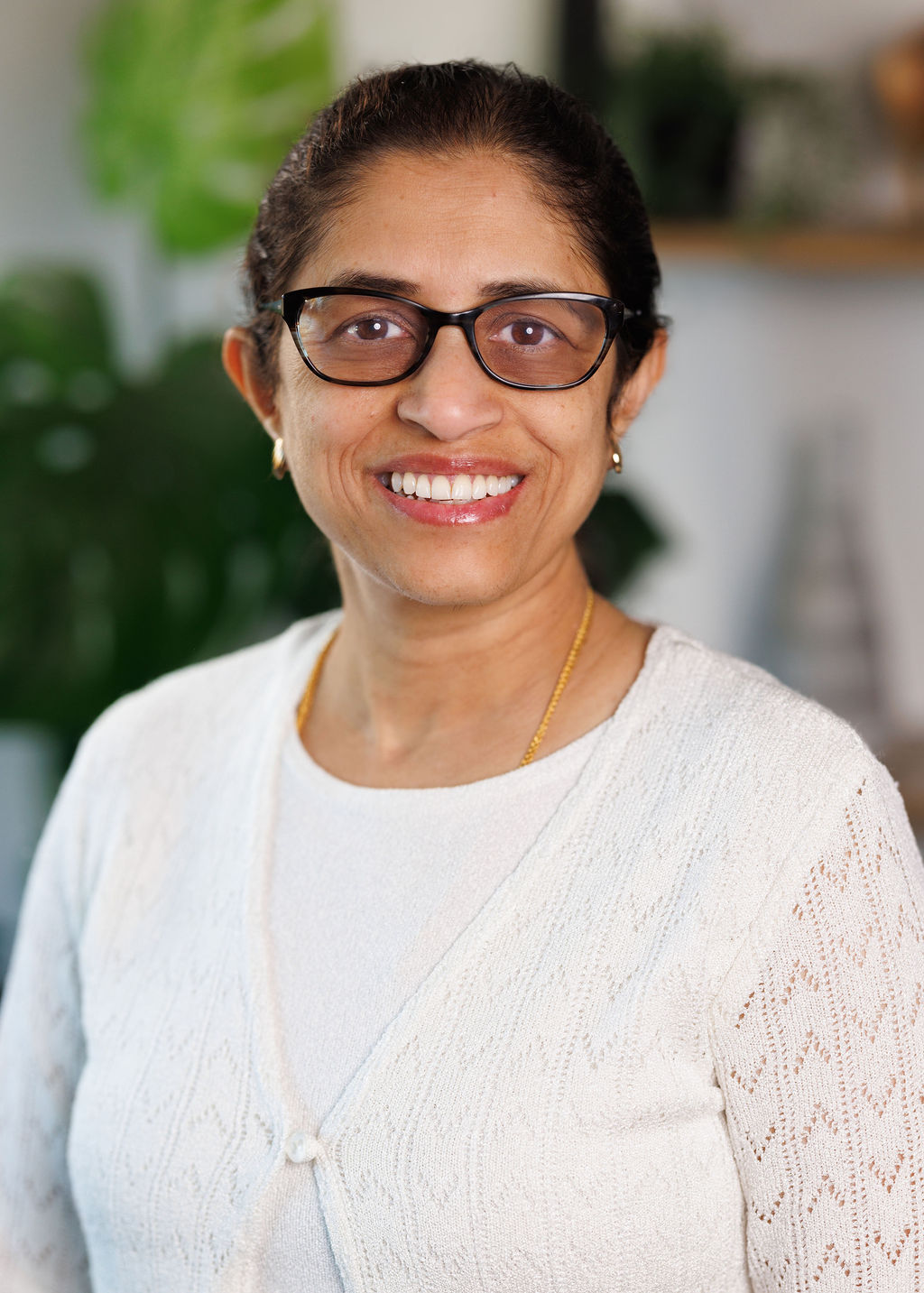
Bhuvana Ganesh
Chief Financial Officer
VP, Lead Software Engineer at JPMorgan Chase. 25+ years in software development. Leads Women in Tech at JPMC.
LinkedIn• SUMMER 2026 • GRADE 7 AND UP
Impress your friends with real Python projects built using APIs, AI libraries, and interactive widgets. Students finish with a capstone showcase of their work.
Beginner Friendly: No programming experience required.
Last Chance to Save — Use code AIWITHDIYA26 for 15% off.
June 8 – 26, 2026 · Grade 7 and up · Virtual · $600
Complete the form below to apply for this program.
Founders built careers at
How it works
Code from day one. Through fifteen live virtual sessions (two hours each), students learn Python fundamentals and build projects using real AI tools and libraries. No prior coding experience required.
Week 1
Week 2
Week 3
The track record
200+
Students trained in 5 years
Across DIYA's research programs and competitions since 2020.
3 Years
Princeton High School Research Program partner
DIYA has run a quarter-long Data Science unit for Princeton High School's Research Program students in 2023, 2024, and 2025.
"Very impressed with the overall program and looking forward to having my child participate in future classes. It was amazing to see the kids come up with innovative ideas for their projects, code independently, and successfully run their programs."
Kandeel Patel
Parent of Grade 10 Student, 2025
"I am pleasantly surprised by the quality of the hardwork of the students. Learning programming and being able to integrate APIs is a phenomenal achievement. Lot of enthusiasm and energy put in by the students and the teachers. Kudos to all of you."
V Sharma
Parent of Grade 7 Student, 2025
"You should all be incredibly proud of what the students accomplished. Tackling a real coding project takes creativity, problem-solving, and perseverance—and the students brought all of that to the table. Very inspiring!"
Subha R Ram
Guest
"It was nice to see what all the students have learned. The students demonstrated their new equipped skills in each presentation. Each instructor made it easy for the students to connect and ask questions when their help was needed."
Mr Amara
Parent of Grade 10 Student, 2025
"DIYA provided my students with an introduction to coding and data literacy. The supportive, collaborative nature of the program, particularly the Capstone Project at the end, allowed students to interact with their peers, whose varied backgrounds and coding experience made for rich conversations and productive analysis of data. It was a fantastic experience for my students, and I am looking forward to implementing it again next year."
Jennifer Smolyn
Biology & Research Teacher, Princeton High School
"The DIYA research program has been an invaluable experience. The mentors provided valuable feedback and encouraged me to think critically and explore different perspectives. Their mentorship helped me develop a structured approach to research and enhanced my analytical and problem-solving skills."
Vienna Li
DIYA Research Student
What students walk away with
Every student finishes the program with work they can reference on applications, in essays, and in interviews.
Students turn their original ideas into a capstone project that integrates Python and AI tools. Something they can show, not just describe.
Hands-on experience writing clean, structured Python: data structures, control flow, functions, and file handling. Students leave able to read, write, and debug real code independently.
Practical experience designing an application, using APIs and Python libraries for OCR, speech to text and sentiment analysis. All skills directly relevant to AI and computer science coursework.
Students present their capstone project at a live final showcase attended by parents, educators, and mentors, and receive a certificate of completion for meeting program requirements..
The team behind DIYA
DIYA was founded by five women with 25+ years each at Princeton, UIUC, PayPal, Oracle, Cisco, Boeing, and JPMorgan Chase. The AI & Healthcare Program is led directly by Padmapriya Parthasarathy and Anjana Manian.
Chief Financial Officer
VP, Lead Software Engineer at JPMorgan Chase. 25+ years in software development. Leads Women in Tech at JPMC.
LinkedIn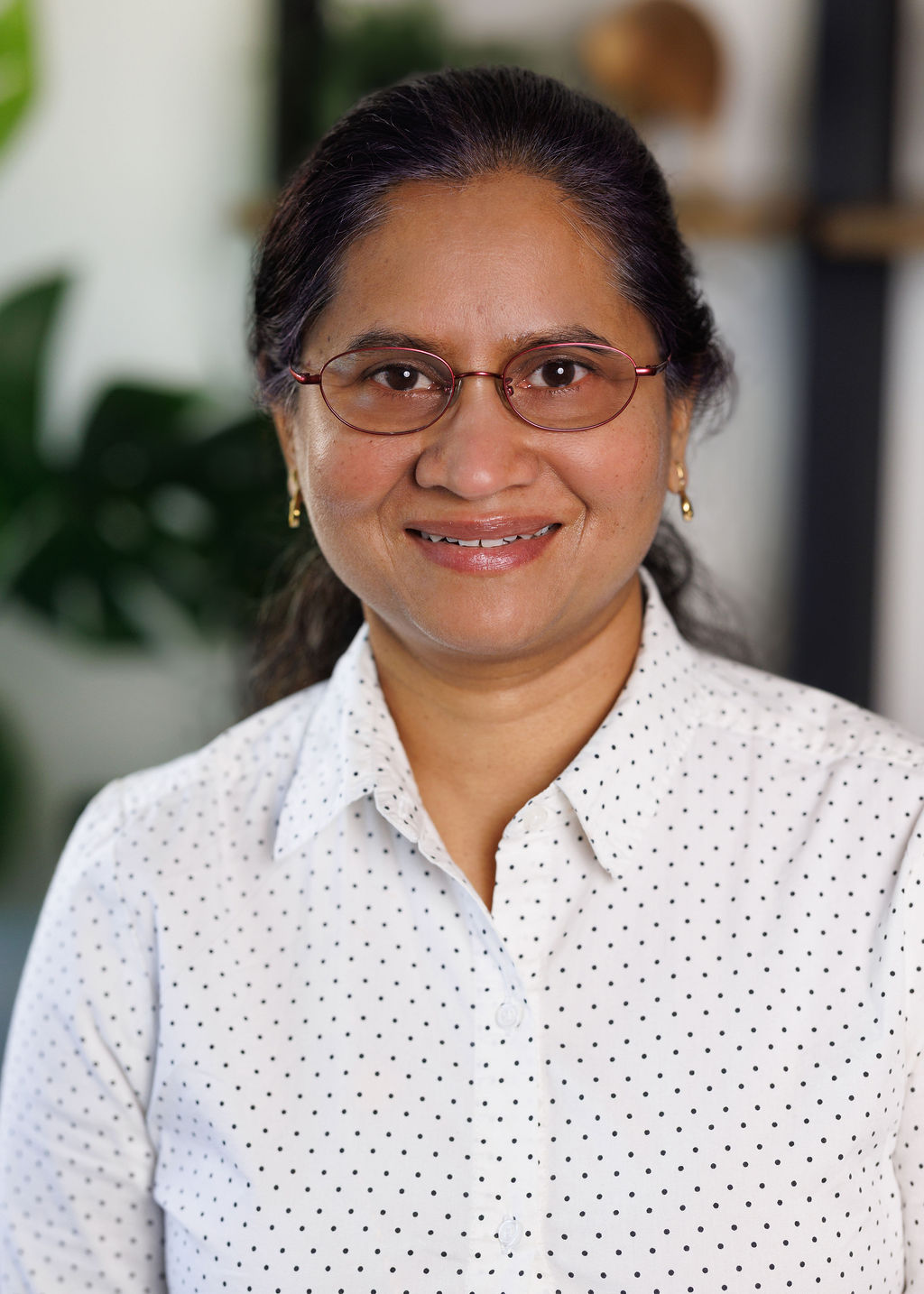
Chief Technology Officer
Data Scientist and Engineering Leader at Boeing Intelligence & Analytics. 25+ years in cloud, data architecture, and scalable systems.
LinkedIn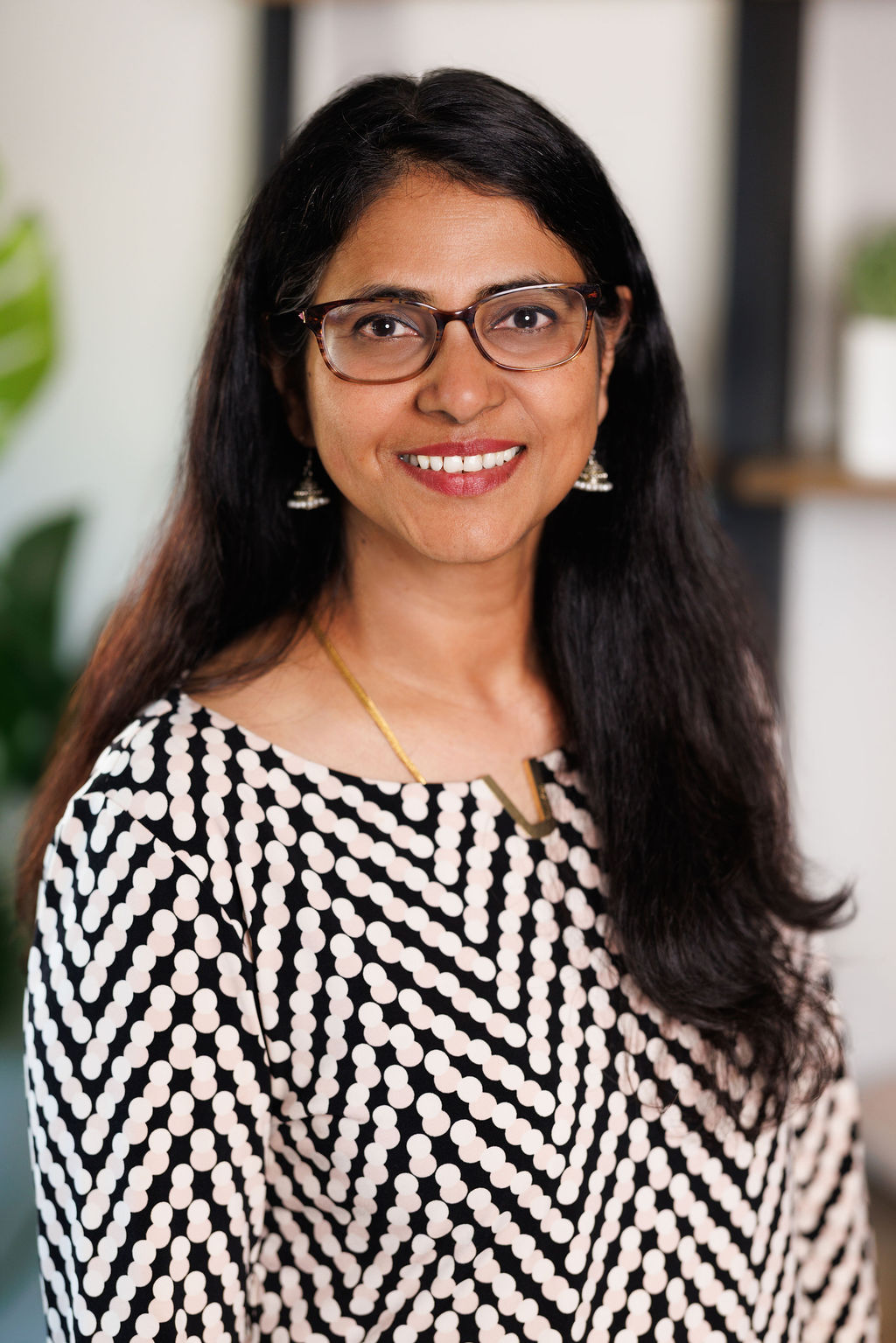
COO · Program Lead
25+ years at Oracle plus over a decade teaching computer science, Python, AI, and data science.
LinkedIn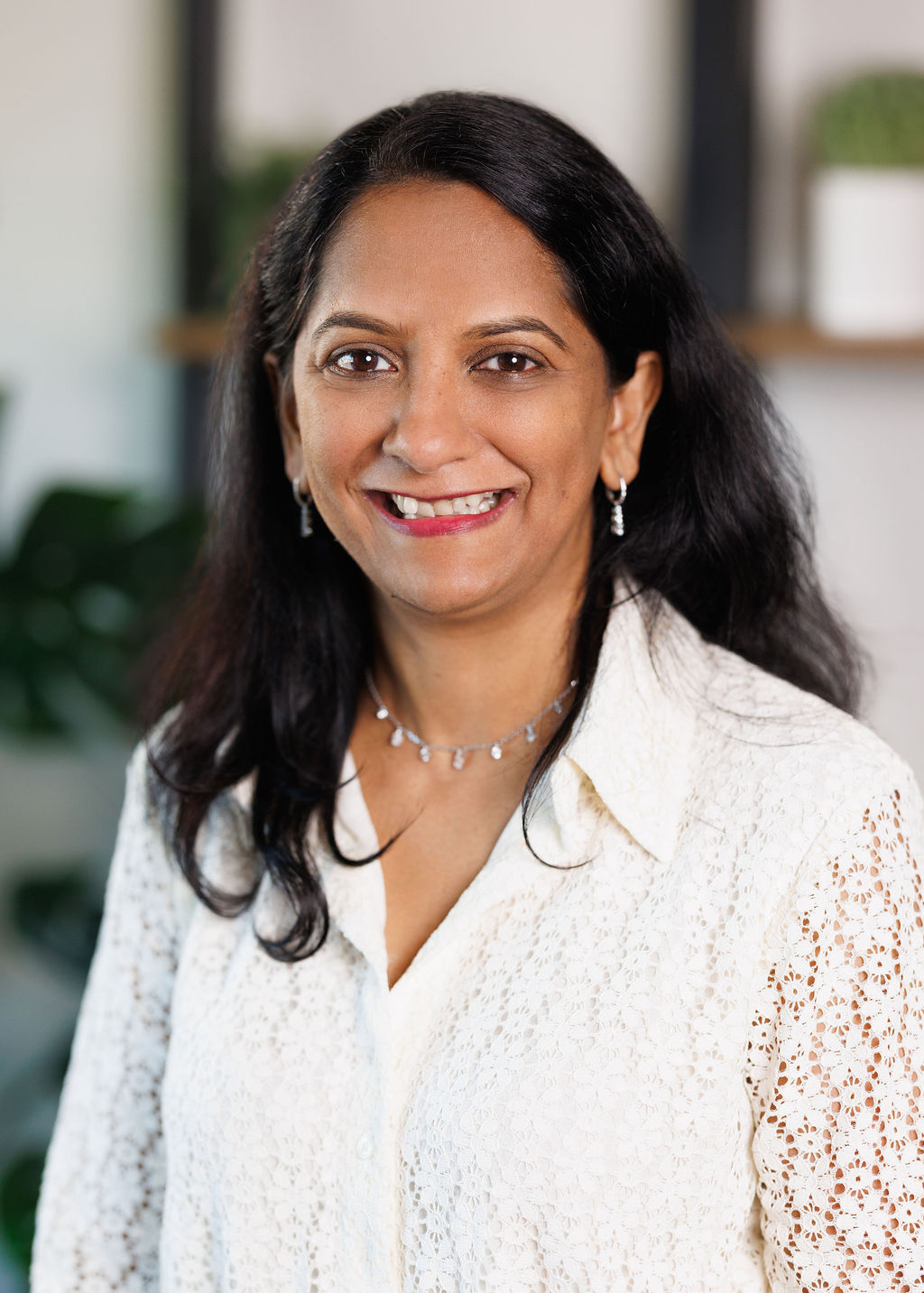
CEO · Instructor
25+ years at PayPal, Checkr, Oracle, and Cisco. Volunteers teaching high school CS with TEALS and StandUp for Kids.
LinkedIn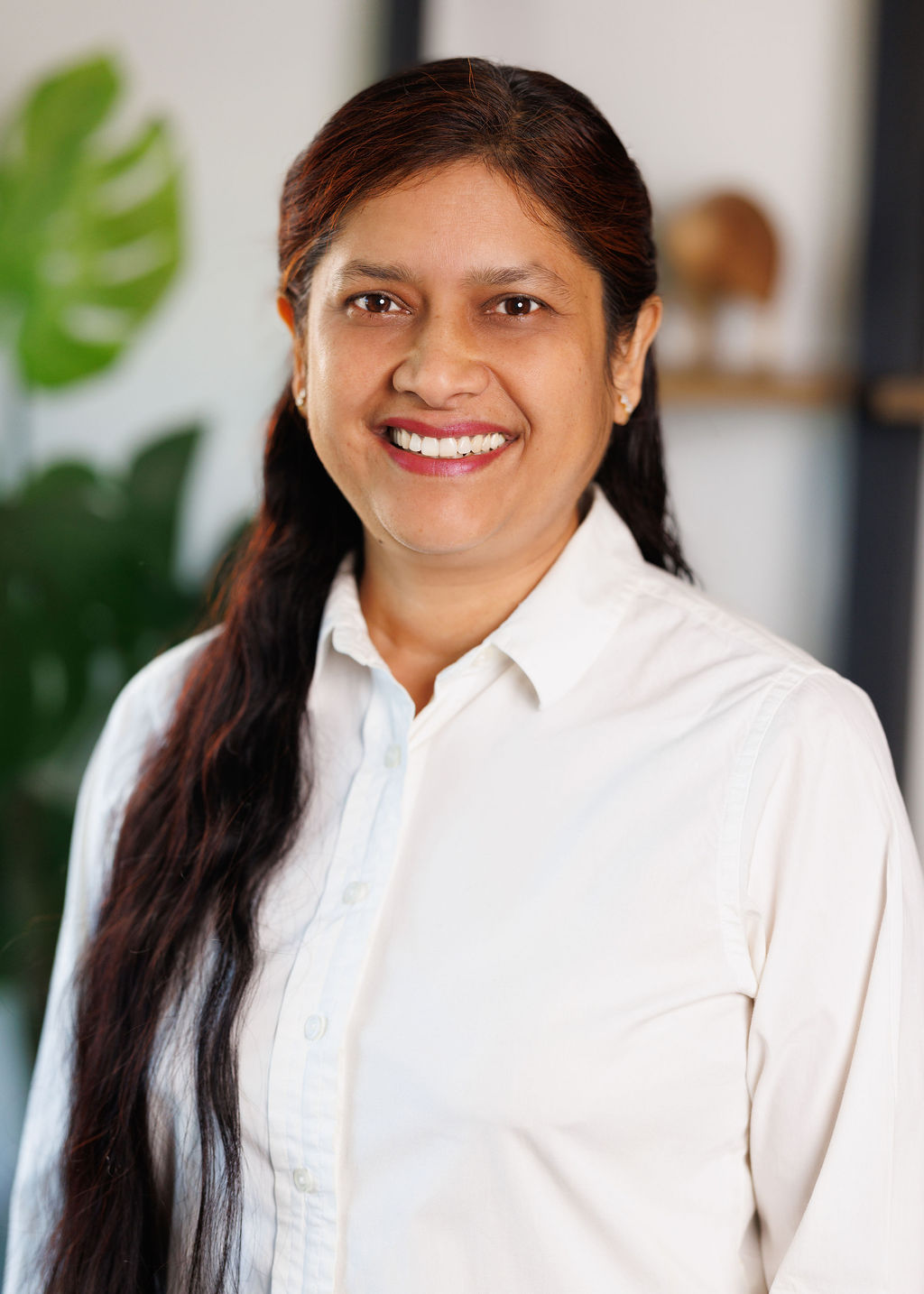
Chief Innovation Officer
Research Scholar in Computer Science at Princeton. Former Assistant Professor at UIUC. Researches AI, NLP, and human-AI interaction.
LinkedInThe fine print
Evaluating a summer program
01
Many summer programs are taught by college undergraduates reading from a pre-built curriculum. Programs where the founders or senior instructors teach directly produce dramatically better outcomes. Students learn more in 20 hours with an experienced operator than in 60 hours with a rotating TA.
02
A participation certificate is not a credential. Look for programs that produce a tangible artifact: an original project, presented work, or a documented research finding that can be pointed to on an application.
03
Short, structured, and accessible matters. A two-week virtual program that does not require prior coding experience respects that students also have SAT prep, family commitments, and other priorities competing for their time.
Questions parents ask
Yes. The program is designed for students with no prior programming experience. We start from absolute basics: variables, data types, and how a computer reads code, and build from there. Prior exposure to coding concepts is helpful but not required.
Fully virtual. The program runs through live online sessions from 5:00 PM to 7:00 PM PST daily, Monday through Friday, over the three weeks. Recordings of each session are shared so students can review.
Two hours of live instructions per weekday. Most hands-on exercises and project work are designed to be completed during class with instructor support and guidance. Some students may choose to spend additional time outside of class reviewing concepts, practicing skills, or polishing their capstone project.
The program is open to students in grade 7 and up. If you are unsure whether it is the right fit for your student, please reach out and we will help you decide.
Students will be able to write, run, and debug Python programs independently. They will know how to work with APIs, integrate beginner AI tools like OCR, speech-to-text and sentiment analysis, and have built a complete working project. Beyond the technical skills, students will leave with an engineering mindset: the ability to break a problem down, plan a solution, and iterate toward a working result.
The Python for AI Program will be taught by Bhuvana Ganesh (DIYA Program Lead) and Subha Ram—both with 25+ years of software engineering experience. Students learn directly from practicing engineers, not a rotating group of undergraduate TAs.
The capstone project is where students apply what they have learned (Python foundations and beginner AI skills) to build a functional application that solves a real problem of their choosing. Students define the project scope, build their application and present the final product at the live showcase on the last day of the program.
Withdrawals before May 31, 2026 receive a full refund minus a $75 administrative fee. No refunds are issued for withdrawals on or after June 1, 2026.
Yes. Students earn $25 for each referred student who enrolls in a DIYA program and completes it.
Scroll back up to reserve a seat, or grab the blueprint below if you want to think it over.
Download our free blueprint for parents: how AI research projects build stronger college applications.
Download the BlueprintPython for AI Program · $600
June 8 – 26 · Virtual · Grade 7 and up